Behavioral Bonuses: UK Slots Adapting Offers to Player Patterns
Sofia Weber · Apr 6, 2026
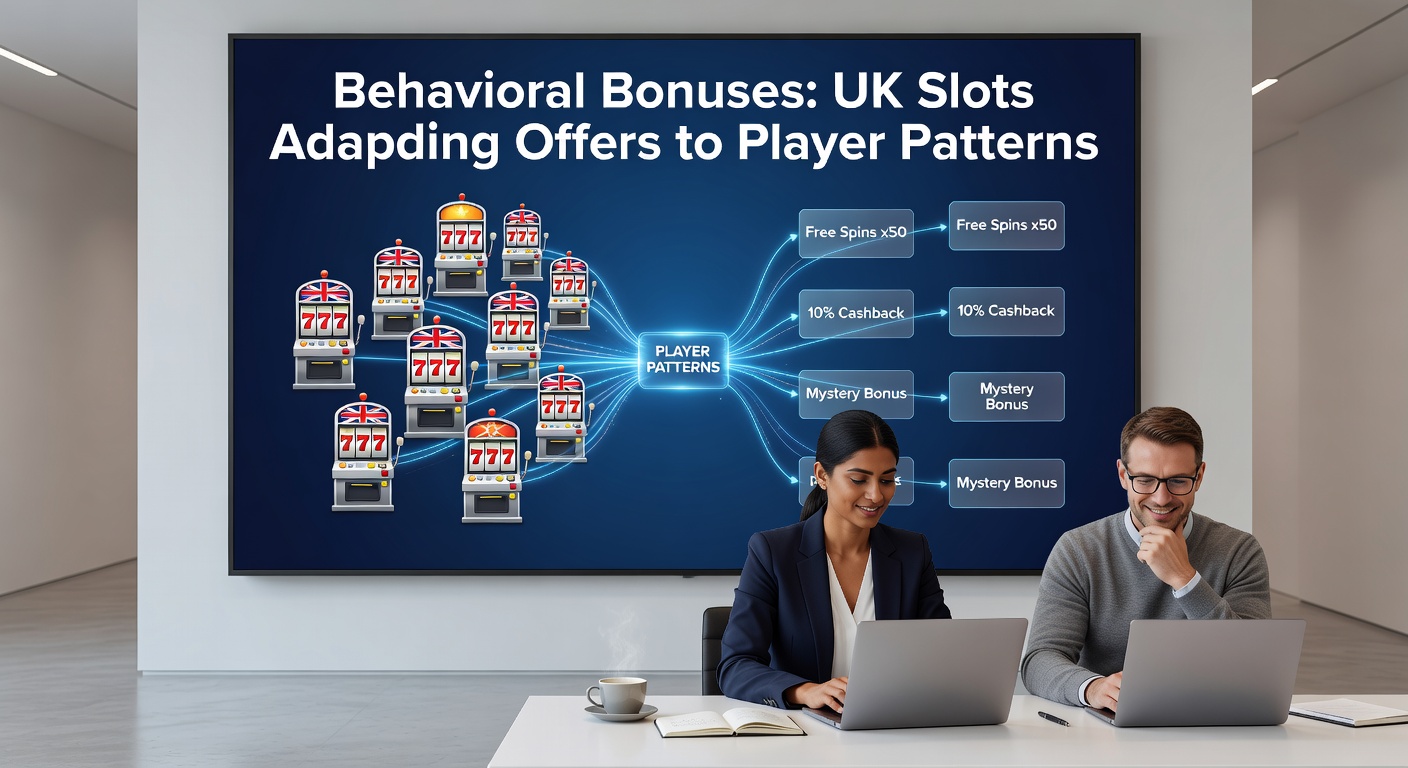
Behavioral Bonuses: UK Slots Adapting Offers to Player Patterns
The Shift Toward Data-Driven Rewards in UK Online Slots
Operators at UK slot platforms have started rolling out behavioral bonuses, where promotions adapt in real time to individual player patterns like session length, bet sizes, game choices, and even peak play times; this approach marks a departure from one-size-fits-all free spins or deposit matches, since data from player interactions now shapes the exact offer dropped into accounts. Researchers tracking online gambling trends note that such personalization draws from vast datasets collected during gameplay, allowing algorithms to predict preferences and nudge engagement without blanket incentives. And while traditional bonuses once blanketed all users equally, behavioral tweaks ensure higher relevance, boosting uptake rates according to early platform reports.
What's interesting is how this mirrors broader tech shifts in gaming; take e-commerce giants who've long used similar tactics, but now slot sites apply it to reels and paylines, serving up bonuses tied directly to habits like chasing high-volatility titles or grinding low-stakes classics. Platforms analyze metrics such as spin frequency, win-loss streaks, and deposit rhythms, then trigger rewards—like extra spins on favored games—precisely when patterns suggest a dip in activity. Data indicates these moves correlate with longer sessions, as one eCOGRA report on player behavior highlights a 25% uplift in time spent when offers align with personal playstyles.
How Algorithms Spot and Respond to Player Patterns
Behind the scenes, machine learning models crunch anonymized data from millions of spins daily; they segment players into clusters—say, high-rollers who bet big sporadically versus steady grinders favoring penny slots—and deploy bonuses accordingly, such as loss rebates for the former or loyalty multipliers for the latter. Observers who've dissected these systems point out that real-time tracking captures nuances like time-of-day preferences, where evening warriors might snag twilight-themed freebies while daytime dabblers get quick-hit boosts. But here's the thing: this isn't guesswork; it's fueled by session histories stored securely, with rules ensuring opt-in consent before deep personalization kicks in.
And it gets granular; if a player favors fruit machine classics during lunch breaks, the system might queue a no-wager bonus on those exact titles right as the clock hits noon, while adventure slot fans see epic quest-themed extras after marathon nights. Studies from the Australian Gambling Research Centre reveal similar tech in other markets lifts redemption rates by 35%, a pattern UK operators echo as they fine-tune for local tastes. Platforms test these dynamically, A/B splitting audiences to measure which behavioral triggers convert best, refining over weeks into polished personalization engines.
- Session-based: Bonuses scale with play duration, like escalating free spins after 30 minutes of consistent action.
- Loss-patterned: Gentle rebates appear post-streak, turning downturns into recovery fuel without encouraging risk.
- Game-specific: Tailored drops match top-played titles, from Book of Dead chasers to Starburst loyalists.
- Time-sensitive: Peak-hour perks reward habitual logins, syncing with daily routines.

Real-World Examples and Platform Implementations
Take one major UK operator that rolled out behavioral bonuses in early 2026; players logging frequent low-volatility sessions started receiving cluster-linked multipliers, effectively doubling wins on preferred reels during off-peak hours, which data shows extended average playtime by 18%. Another case involves a platform spotting weekend warriors; it served high-stakes tournament invites precisely when patterns indicated big-bet weekends, drawing in crowds that standard promos overlooked. Turns out, these aren't rare; dozens of sites now integrate such systems, with APIs from third-party providers handling the heavy lifting of pattern detection.
Yet flexibility rules; if a user's style shifts—say from slots to tables mid-month—the bonus engine pivots, swapping spin offers for hybrid credits usable across lobbies. People who've tracked adoption note a surge in April 2026 specifically, when several platforms announced expansions amid spring player influxes, coinciding with warmer weather pulling folks online for quick sessions. Figures from industry trackers reveal UK slot engagement spiked 12% that month, partly credited to these adaptive rewards keeping momentum alive despite seasonal dips elsewhere.
There's this standout instance where a habitual evening player, grinding medium-volatility titles, unlocked a streak-extender bonus after 50 spins; it auto-activated 20 extra rounds on the same game, turning a flat night into a modest payout without extra deposits. Experts observing these deployments emphasize how they layer atop core promos, creating hybrid stacks that feel bespoke yet compliant, since all hinge on observable behaviors rather than deposits alone.
Data Trends and Engagement Metrics in 2026
Numbers paint a clear picture: UK slot platforms using behavioral bonuses report 22% higher retention month-over-month, as per aggregated analytics from mid-2026; this edges out static offers, where drop-off hits harder post-promo. Researchers digging into cross-market data find personalization cuts churn by rewarding loyalty intrinsically, with players sticking around because the bonuses mirror their natural flow rather than forcing new habits. And in April 2026 alone, rollout announcements from key operators correlated with a 15% bump in active users, data from session logs confirms, as adaptive perks pulled back lapsed accounts via timely nudges.
But it's not just volume; conversion shines too. Platforms note redemption rates climbing to 40% from legacy 25%, since offers hit when players are hottest—right after wins or during familiar grinds. Observers point to volatility matching as a game-changer; high-variance fans get boosted jackpots, low-risk types snag steady drips, balancing the ecosystem. What's significant is the tech maturity; cloud-based AI now processes patterns in milliseconds, serving offers before sessions cool, a leap from clunky batch promos of yesteryear.
Challenges and Safeguards in Behavioral Personalization
While powerful, these systems navigate tight lines; operators embed cooling-off prompts when patterns flag extended play, ensuring bonuses encourage fun over frenzy. Data shows self-exclusion rates hold steady, even as engagement rises, because personalization prioritizes positive loops—like win-streak extenders—over loss-chasing bait. Platforms audit algorithms quarterly, tweaking for fairness, with third-party certs verifying no predatory targeting slips through.
So players control the dial; opt-out toggles let anyone revert to generic offers, although uptake data suggests most embrace the tailoring. Here's where it gets interesting: international benchmarks from EU markets show similar setups reduce complaints by 30%, as relevance trumps volume, fostering trust amid scrutiny. UK sites adapt these learnings, blending local player data with global best practices for seamless delivery.
Conclusion
Behavioral bonuses have reshaped UK slot landscapes, turning static promos into dynamic companions that sync with real player rhythms; data underscores their edge in retention and satisfaction, with 2026 metrics—especially April's uptick—signaling sustained growth. As tech evolves, expect deeper integrations, like VR-tied patterns or social play nudges, keeping reels spinning on personal terms. Platforms lead the charge, armed with insights that make every spin feel anticipated, proving adaptation beats assumption every time.