Bridging Reel Mechanics with Live Table Incentives: Mapping Hybrid Reward Pathways at British Gaming Venues
Jordan Butler · Jun 15, 2026
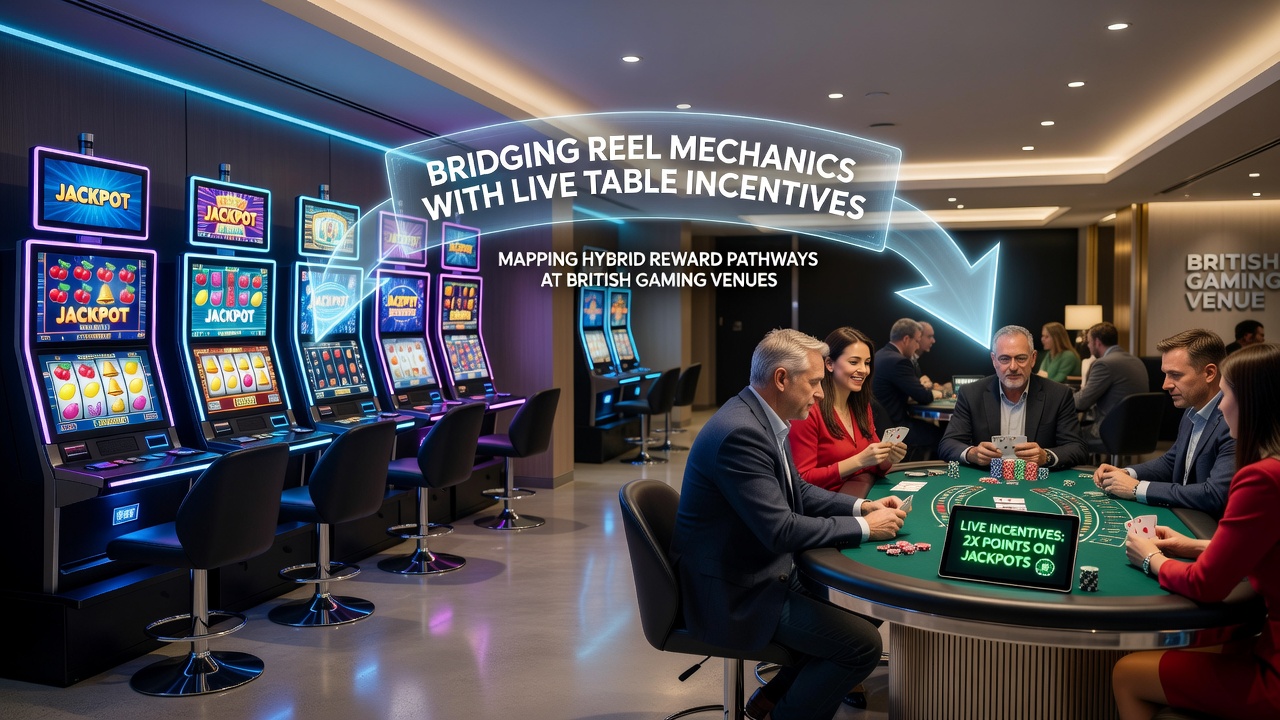
Bridging Reel Mechanics with Live Table Incentives: Mapping Hybrid Reward Pathways at British Gaming Venues
British gaming venues have developed structured systems that connect slot reel mechanics directly to live table incentives, creating pathways where players move between electronic and table-based play while accumulating unified rewards. These hybrid models track activity across both formats through centralized player accounts, allowing reel-based achievements such as consecutive spin sequences or symbol alignments to unlock credits or multipliers usable at roulette, blackjack, or poker tables. Data collected from multiple sites indicates that integration occurs via loyalty platforms which log reel outcomes and convert them into table-specific bonuses at predetermined thresholds.
Mechanics of Cross-Format Reward Mapping
Reel mechanics feed into live table incentives through algorithmic conversions that assign point values to specific slot events, then route those points toward table game promotions. A player completing a reel cycle that triggers a bonus round might receive table chips or reduced minimum bet access, while table game results in turn generate reel free plays. Observers note that venues implement these bridges using unified software dashboards that update in real time, enabling staff to monitor progress across sections of the floor. Research from the University of Nevada, Las Vegas International Gaming Institute shows similar conversion protocols have appeared in international markets, where point multipliers adjust based on time of day and player volume.
Venues structure these pathways around tiered loyalty levels, where higher tiers unlock more direct transfers between reel progress and table incentives. Lower tiers require multiple reel sessions before table rewards activate, whereas top tiers permit immediate redemption. This tier progression relies on cumulative data rather than single-session performance, encouraging repeated visits that alternate between machine banks and table pits.
Player Movement Patterns in Hybrid Environments
Tracking studies reveal that players often begin sessions at reel machines before transitioning to tables once accumulated incentives reach activation points. Floor layouts position high-traffic slot banks near table sections to facilitate these shifts, with signage highlighting current hybrid offers. In June 2026 several venues adjusted their layouts following internal audits that identified optimal distances between machine clusters and table areas for maximizing cross-format play. Staff training programs now include modules on guiding players through the reward bridges without disrupting either game type.
One documented case involved a chain operating multiple sites where reel-triggered table vouchers increased average table session length by measurable margins. The same venues reported that table outcomes feeding back into reel bonuses reduced player departure rates during slower afternoon periods. These patterns emerge consistently across locations that maintain synchronized reward ledgers rather than separate systems for each format.

Operational Integration and Data Requirements
Successful bridging depends on backend systems capable of processing reel event data alongside table game results within the same database. Venues employ application programming interfaces that pull spin logs and card or wheel outcomes into a single player profile. Accuracy of these transfers matters because mismatched data can void incentives or create disputes. Technical teams conduct regular audits to verify that reel mechanics such as near-miss algorithms or progressive jackpots align correctly with table incentive triggers.
Security protocols treat hybrid reward data with the same protections applied to financial transactions. Encrypted logs prevent unauthorized alterations to point balances that span both formats. Venues also maintain separate audit trails for regulatory review, documenting each conversion event with timestamps and player identifiers. Reports from the Canadian Gaming Association indicate that integrated systems reduce reconciliation errors compared with venues running parallel but disconnected reward programs.
Future Adjustments Scheduled for Mid-2026
Operators have scheduled software updates for June 2026 that will refine how reel mechanics influence table incentives. These updates introduce variable conversion rates based on game volatility metrics and table occupancy levels. Testing phases conducted earlier in the year showed that dynamic rates can balance player flow between sections during peak and off-peak hours. Venues plan to release updated player guides explaining the revised pathways once the changes take effect.
Training materials distributed to floor teams emphasize explaining these adjustments in straightforward terms. Players receive notifications through venue apps when reel activity qualifies for new table incentives or when table results unlock reel features. The goal remains maintaining clear, traceable connections between the two formats without introducing complexity that disrupts play.
Conclusion
Hybrid reward pathways at British gaming venues demonstrate measurable integration between reel mechanics and live table incentives through centralized tracking and tiered conversions. Data from multiple sources shows these systems influence player movement and session duration when properly synchronized. Continued refinements scheduled for June 2026 will further adjust conversion parameters based on operational metrics collected across venues. The structure relies on accurate data handling and consistent application of rules that apply equally to both game categories.