Event-Driven Incentives Reshaping Engagement in Britain's Digital Casino Landscape
Tina Ludwig · Sep 9, 2026
Event-Driven Incentives Reshaping Engagement in Britain's Digital Casino Landscape
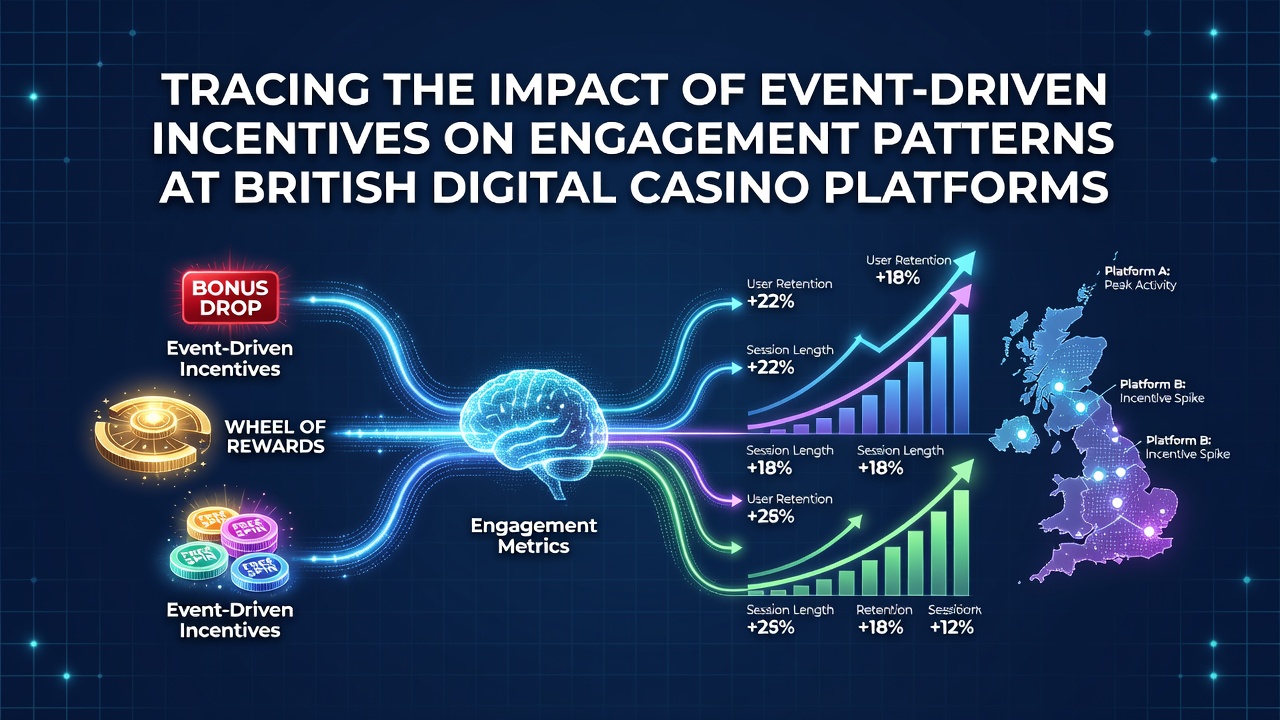
Event-driven incentives have become a central mechanism for British digital casino platforms seeking to influence when and how users interact with games, and data collected across multiple operators reveals distinct shifts in login frequency, deposit timing, and session duration tied directly to these promotions.
Defining Event-Driven Incentives in the UK Context
These incentives typically activate around specific calendar triggers such as bank holidays, major sporting events, or platform anniversaries, and they differ from standard welcome bonuses because they appear for limited windows only, often requiring players to complete tasks within hours or days rather than weeks. Platforms schedule them to coincide with periods when user activity naturally dips, and operators track metrics like average daily active users before, during, and after each campaign to measure lift.
Researchers at several industry monitoring bodies have noted that these time-bound offers frequently bundle free spins, deposit matches, or cashback tiers with social sharing elements, and the combination appears to extend play sessions beyond what standalone bonuses achieve. Participation rates tend to spike within the first two hours of announcement, then taper unless follow-up reminders arrive through push notifications or email sequences.
Measuring Shifts in Engagement Patterns
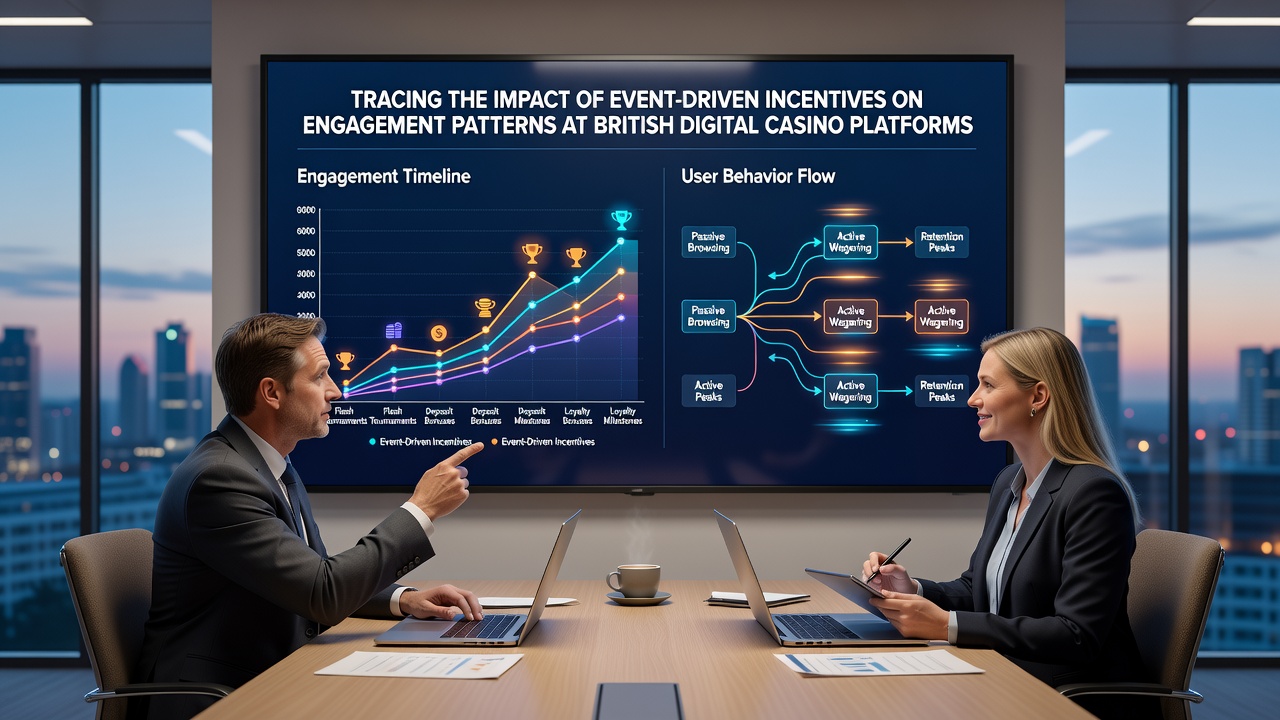
Engagement data drawn from aggregated platform reports shows that event-driven campaigns produce measurable increases in both frequency of visits and total wager volume during the active period, yet the duration of elevated activity after the event ends varies by incentive structure. Campaigns that require consecutive daily logins sustain higher retention for up to five days post-event compared with one-off deposit bonuses, according to figures released by the Australian Gambling Research Centre.
Those who study player behaviour observe that deposit timing clusters tightly around the start and end of each promotion window, creating predictable revenue peaks that operators now factor into cash-flow forecasting models. Session length also lengthens when missions or challenges accompany the incentive, because players chase incremental rewards rather than exiting after a single game round.
Regional and Seasonal Variations Observed Through 2026
Activity patterns differ across the calendar, and September 2026 data indicated stronger engagement lifts from back-to-school themed events than from summer festivals, possibly because families adjust routines and more users seek evening entertainment options. Platforms that layered progressive rewards across multiple September events recorded sustained daily active user counts that remained 12 percent above baseline for the following fortnight, while single-event campaigns saw quicker reversion to normal levels.
Geographic segmentation within Britain further reveals that urban postcodes respond more readily to evening-timed flash events, whereas regional areas show steadier participation when promotions run over entire weekends. These differences have prompted some operators to run parallel campaigns with staggered start times to maximise overlap with local user habits.
Integration with Broader Platform Features
Event-driven incentives rarely operate in isolation, and platforms that connect them to loyalty tiers or tournament leaderboards achieve compounding effects on engagement. Players who already hold higher loyalty status often convert at greater rates during these windows, because the incentive stacks with existing benefits and creates additional urgency. Observers note that cross-promotion with live dealer tables or progressive jackpot networks can redirect traffic from slots to other verticals for the duration of the event.
Technical delivery methods also matter, and direct in-app access to the promotion without requiring navigation through multiple menus correlates with faster uptake. Push notification campaigns that include the exact reward value and remaining time produce higher click-through rates than generic announcements, and A/B testing conducted by several operators confirms this pattern holds across age groups.
Longer-Term Effects on Player Retention
While immediate spikes in activity are well documented, longer-term retention outcomes depend on how frequently operators deploy these events and whether the rewards maintain perceived value over repeated cycles. Some platforms have shifted to quarterly mega-events supplemented by smaller weekly triggers, and preliminary tracking through late 2026 suggests this cadence reduces the risk of user fatigue while still delivering measurable lifts in monthly active users.
Data from the UNLV International Gaming Institute indicates that platforms maintaining consistent event calendars experience lower churn rates among mid-tier players compared with those that rely solely on static bonus menus. The key variable appears to be the predictability of upcoming events, which encourages players to return at regular intervals rather than only when a large promotion surfaces.
Conclusion
Event-driven incentives continue to serve as a precise tool for modulating engagement patterns on British digital casino platforms, and ongoing collection of session, deposit, and retention metrics allows operators to refine timing, reward structure, and delivery channels. Patterns observed through September 2026 underscore that success hinges on alignment with natural user routines and integration with existing loyalty frameworks, rather than on the size of any single offer. As data sets grow, the ability to predict and shape activity windows is expected to improve further.