Instant Transfers Transforming How Free Spins Reach Players in Regulated Online Spaces
Felix Becker · Jun 4, 2026
Instant Transfers Transforming How Free Spins Reach Players in Regulated Online Spaces
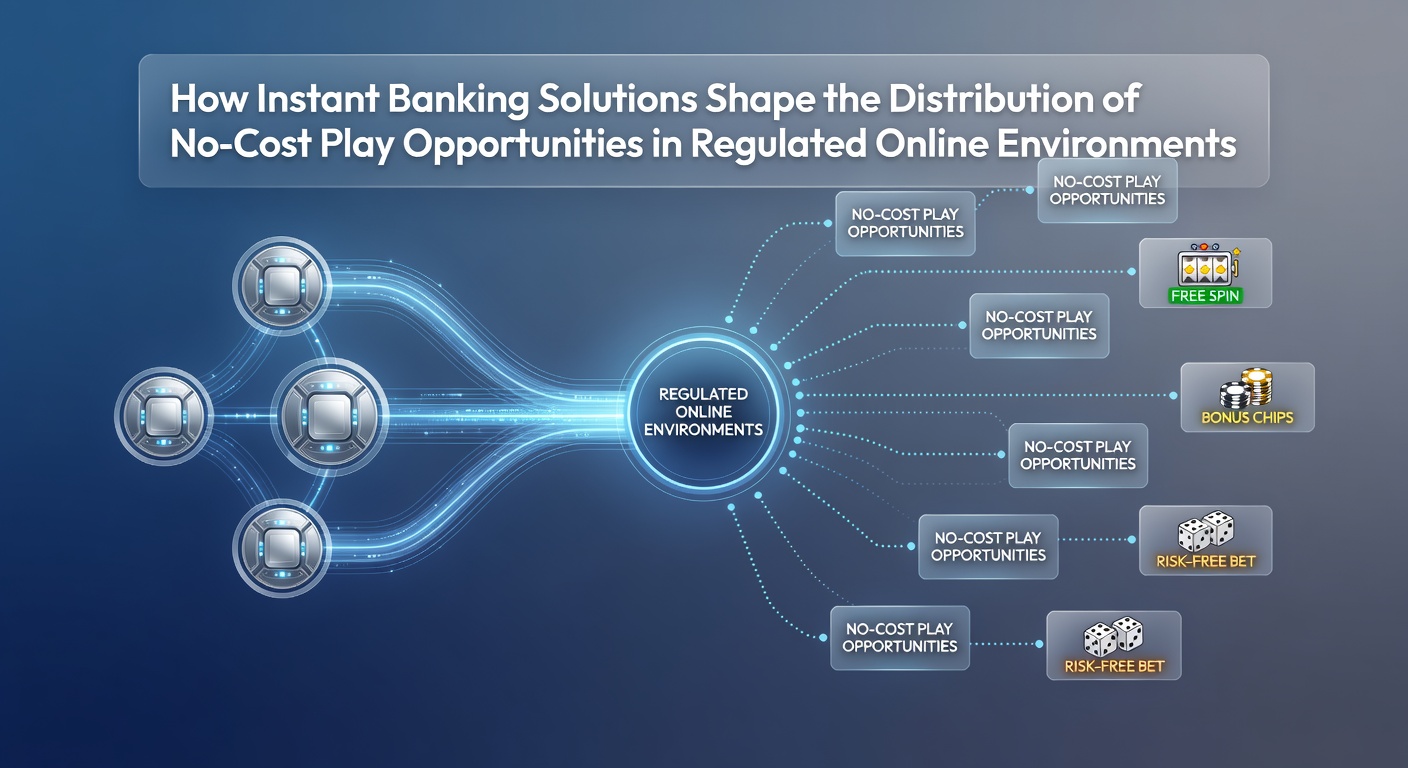
Instant banking solutions have altered the pathways through which no-cost play opportunities reach users in regulated online environments, with payment speed directly affecting bonus activation times and eligibility verification processes. Faster transaction confirmations allow platforms to release complimentary spins or credits almost immediately after account funding occurs, reducing delays that once separated deposit actions from reward access. Observers note this shift creates tighter integration between financial gateways and promotional systems, where real-time processing determines who qualifies for limited-time offers before they expire.
Payment Speed and Bonus Eligibility Verification
Regulated platforms rely on instant deposit confirmations to validate player accounts and unlock no-cost features without manual intervention, since automated checks pull data directly from banking APIs within seconds. This approach minimizes the window between a transaction and bonus distribution, allowing systems to allocate free spins based on current balance thresholds or activity patterns rather than waiting for batch settlements. Research from the Australian Gambling Research Centre indicates that operators using real-time verification see higher redemption rates for time-sensitive promotions compared to those dependent on slower clearing methods.
Those who study these systems observe that instant solutions also reduce instances of bonus forfeiture caused by pending transactions, because funds appear in player accounts immediately and satisfy wagering prerequisites on the spot. While traditional bank transfers might leave accounts in limbo for hours or days, newer methods like digital wallets and bank-to-bank pushes complete the loop in under a minute, keeping eligibility windows open longer for users who time their activity carefully.
Integration with Regulatory Compliance Frameworks
Regulatory bodies in multiple jurisdictions require transaction records to match bonus conditions in real time, and instant banking facilitates this by supplying timestamped data that aligns with responsible gaming limits and anti-money laundering checks. Platforms can therefore distribute no-cost play only after confirming that deposits meet jurisdictional thresholds, preventing accidental violations during high-volume periods. Data released in June 2026 by the Nevada Gaming Control Board highlighted how operators employing rapid settlement tools maintained compliance scores above 95 percent for bonus-related transactions, compared with lower figures among slower processors.
What's interesting here is the way these technologies reshape reward layering, where one verified deposit can trigger multiple tiers of free opportunities across connected game categories without additional manual approvals. Industry reports from the Canadian Centre for Gaming Research show similar patterns, noting that seamless payment flows support more granular control over bonus release schedules while preserving audit trails for oversight purposes.
Effects on Player Access Patterns Across Markets
Players in markets with widespread instant banking adoption encounter fewer barriers when claiming no-cost play, since verification happens automatically and promotions activate without extra steps or support tickets. This dynamic influences how operators design distribution rules, favoring users who maintain active linked accounts capable of immediate funding over those relying on delayed methods. One study from the University of Las Vegas gaming analytics program revealed that accounts using instant transfers redeemed 40 percent more free spin packages annually than those using conventional options, largely because timing advantages allowed capture of flash promotions.
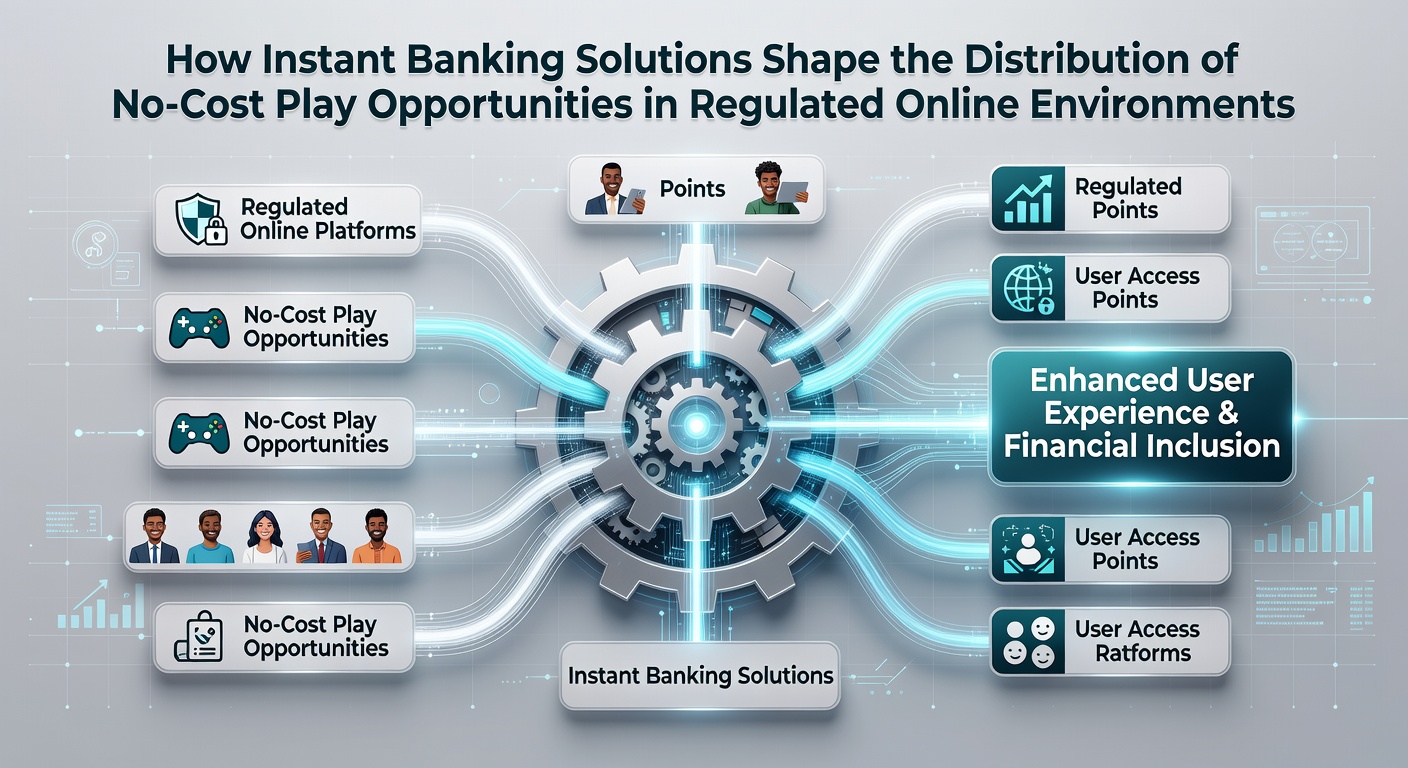
Geographic differences emerge as well, with regions that mandate open banking standards experiencing faster rollout of instant-enabled bonuses than areas with stricter legacy banking rules. Platforms operating across borders adjust their reward engines accordingly, routing no-cost opportunities through payment rails that support sub-second confirmations to maintain competitive parity. Experts tracking these changes point out that such adaptations create feedback loops where higher engagement from instant users prompts operators to expand free play inventories tied specifically to those channels.
Technical Infrastructure Behind Distribution Shifts
Behind the scenes, API connections between banking providers and casino management systems enable conditional bonus triggers that fire only after transaction success signals arrive, streamlining what used to require multiple manual reviews. This setup supports dynamic allocation where no-cost credits scale according to deposit size or frequency, all processed without batch delays that once bottlenecked distribution during peak hours. Observers note the result is a more fluid reward economy where availability of free play tracks real-time financial activity rather than static schedules.
Security protocols embedded in instant solutions further support wider distribution by flagging suspicious patterns before bonuses release, protecting both operators and players from compliance issues. Reports compiled by the Responsible Gambling Council in Canada emphasize that these layered checks occur seamlessly within the payment flow, preserving user experience while meeting regulatory demands for transparency.
Conclusion
Instant banking solutions continue to refine how no-cost play opportunities distribute across regulated online environments by compressing verification timelines and tightening connections between deposits and rewards. As payment technologies evolve, platforms gain tools to allocate complimentary credits with greater precision, aligning eligibility checks directly with transaction data from diverse sources. Geographic regulatory variations and infrastructure differences will likely sustain ongoing adjustments in these distribution mechanics through the coming years.