Layered Incentives Linking Reels to Roulette Tables at UK Gaming Venues
Dana Patterson · Jun 29, 2026
Layered Incentives Linking Reels to Roulette Tables at UK Gaming Venues
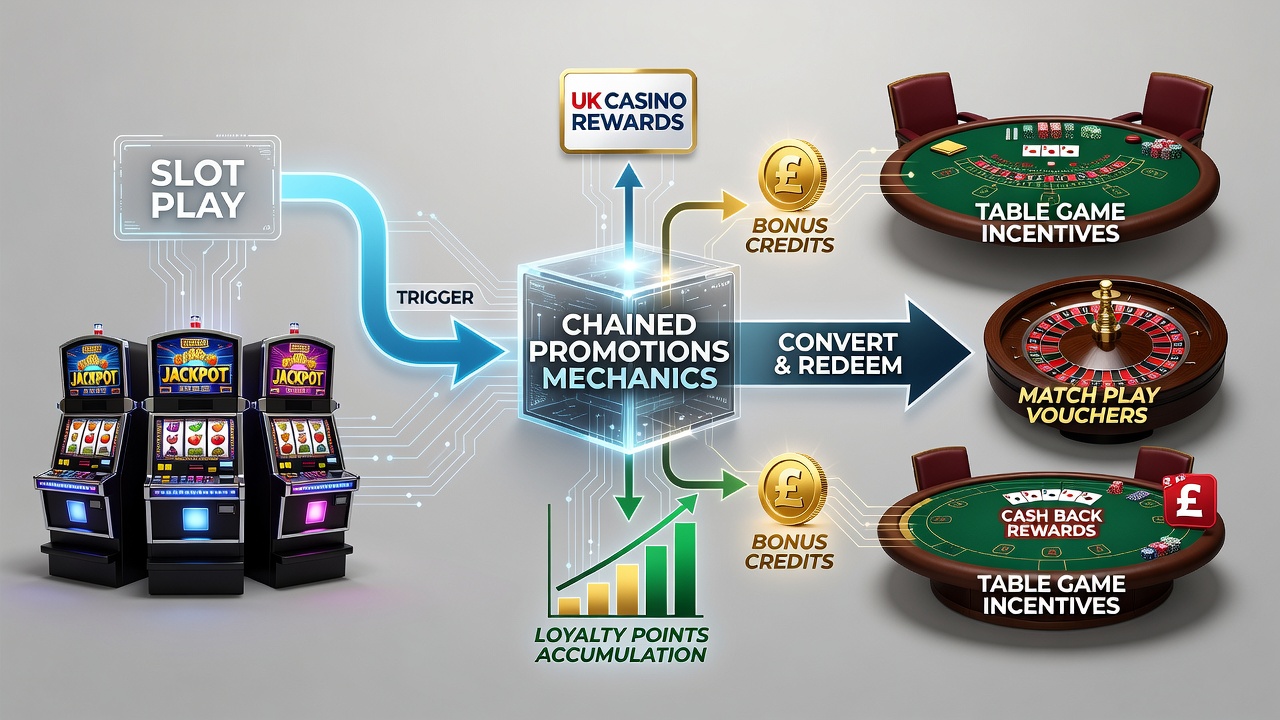
Data from industry reports indicates that chained promotions in UK casinos operate through sequential reward structures where slot machine activity directly feeds eligibility for table game incentives, creating continuous player engagement across different gaming formats. These systems track cumulative play metrics such as total wagers and session duration before unlocking subsequent offers that transfer value from reels to felt.
Core Tracking Mechanisms in Cross-Game Reward Chains
Operators implement unified loyalty platforms that assign points based on slot coin-in values, with conversion rates often set at one point per pound wagered on electronic machines, according to patterns observed across multiple venues. Once thresholds are reached, the same account balance triggers table-specific bonuses like matched bets on blackjack or roulette chip vouchers, ensuring the chain continues without separate enrollment steps. Research from academic sources shows these automated transfers reduce friction while maintaining compliance with responsible gaming parameters through built-in spending caps.
Systems integrate real-time data feeds from both slot servers and table management software, allowing instant updates when players switch genres mid-session. For instance, a sequence might begin with free spins on video slots, progress to a deposit match tied to table minimums, and conclude with a cashback layer activated only after combined play across both categories exceeds a defined amount. Observers note that such layering appears most frequently during peak evening hours when foot traffic supports higher table utilization.
June 2026 Adjustments and Their Impact on Promotion Structures
Regulatory shifts scheduled for June 2026 require operators to display chained offer terms in unified formats across digital and physical channels, prompting many venues to simplify eligibility rules while preserving the sequential flow from slots to tables. Figures reveal that these updates coincide with expanded testing of multi-genre loyalty apps that sync player cards with both electronic terminals and pit supervisors. Those who've examined similar transitions in other markets report smoother adoption when point accrual rates remain consistent between game types.
Practical Examples of Slot-to-Table Transfer Sequences
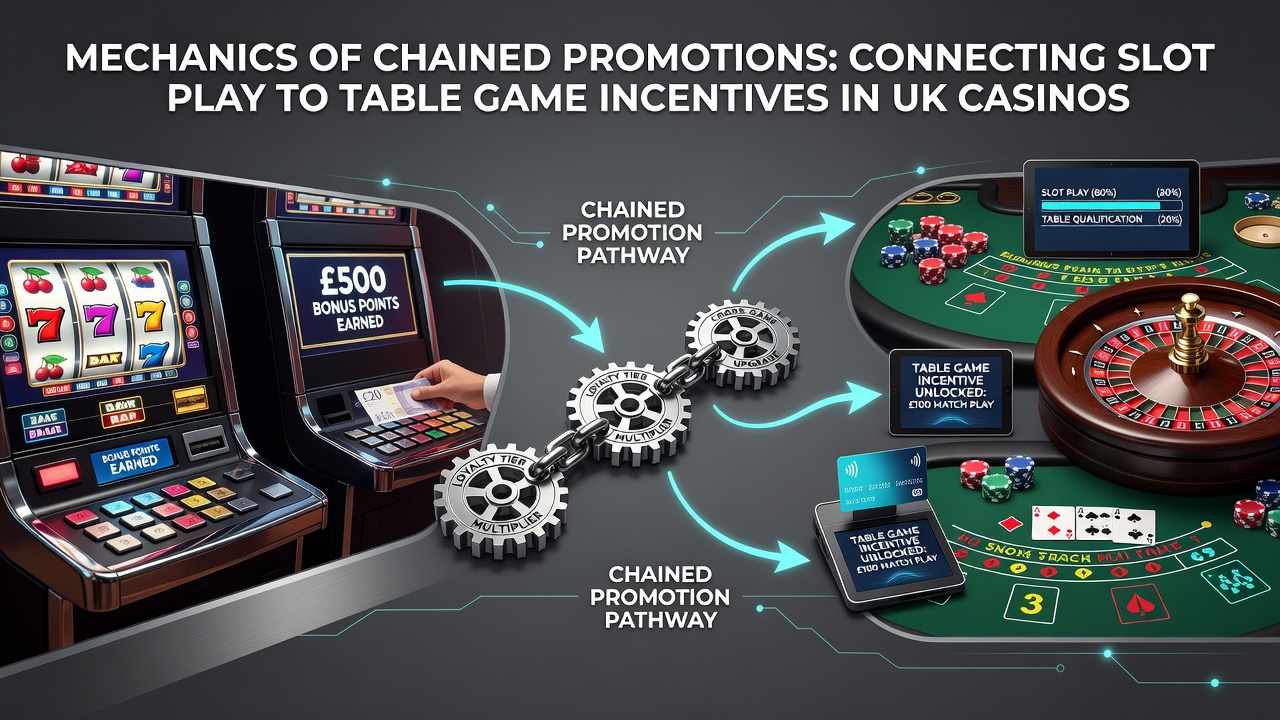
One documented sequence at a major London property starts with a no-deposit slot bundle that awards 50 spins, followed by an automatic 20 percent match on the first table game deposit once spin value reaches 25 pounds. The chain extends further when table play generates additional points redeemable for dedicated roulette time slots during off-peak periods. Data indicates these progressions increase average session length by connecting isolated game visits into extended multi-area experiences.
Another variant observed in northern England casinos ties progressive jackpot contributions from slots directly to table game entry tickets, where accumulated entries unlock private dealer sessions. Studies from research institutions demonstrate that such mechanics encourage exploration of less familiar table variants like three-card poker alongside traditional favorites. Players often discover the full chain only after completing initial slot requirements, at which point the table incentives activate automatically through the same player profile.
Technical Integration and Compliance Layers
Backend software employs API connections between slot management systems and table game databases to validate each stage before releasing the next incentive tier. This architecture prevents premature access to table rewards while allowing seamless point carryover when users transition between machine banks and gaming pits. External audits from independent testing bodies confirm that these connections maintain accurate logging for dispute resolution and financial reconciliation purposes.
Geographic variation appears in how different regions adapt the model, with some European operators incorporating similar cross-genre chains under frameworks established by bodies such as the Pennsylvania Gaming Control Board precedents. What's interesting is how UK implementations emphasize time-bound windows that reset monthly, forcing players to complete slot prerequisites within set periods to unlock table benefits before expiration.
Player Behavior Patterns and System Responses
Analytics platforms track movement between slot areas and table sections, revealing that chained offers correlate with higher crossover rates when the slot component delivers immediate small wins that players then carry to tables. The reality is that venues adjust threshold values seasonally based on historical data showing peak engagement during holiday periods. Experts have observed that these adjustments help balance floor traffic without overextending table staffing resources.
Training programs for floor staff now include guidance on explaining chained mechanics to patrons who reach table eligibility mid-visit, ensuring the transition feels natural rather than abrupt. Reports from industry organizations highlight that clear verbal cues at the moment of transfer improve completion rates for the full reward sequence.
Conclusion
Chained promotions that bridge slot activity with table game incentives continue to evolve through integrated tracking and sequential unlocking processes across UK casino operations. These structures rely on unified point systems, automated transfers, and periodic regulatory refinements that keep the mechanics aligned with broader industry standards. Data shows sustained use of such layered offers as operators refine connections between different gaming formats to support ongoing engagement patterns.