Payment Pathways and Incentive Layers in Digital Gaming
Tina Ludwig · Jun 25, 2026
Payment Pathways and Incentive Layers in Digital Gaming
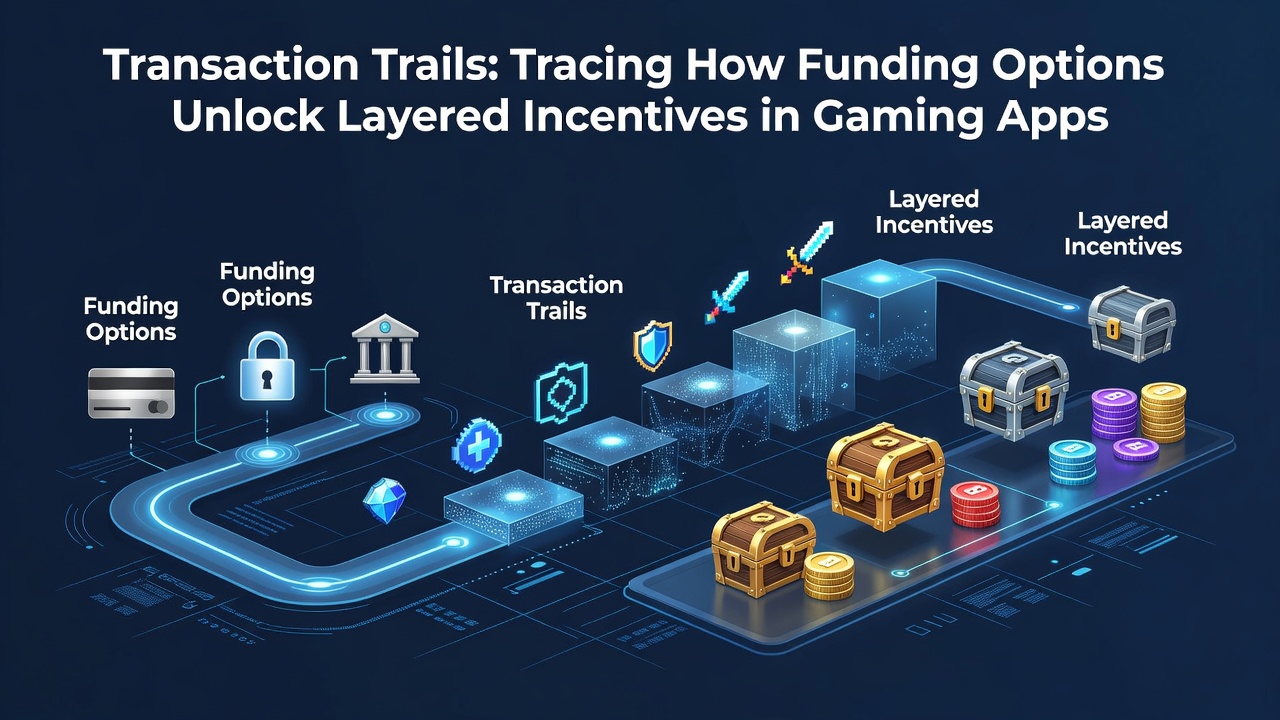
Transaction trails in gaming apps form intricate networks where funding choices directly influence access to multi-tiered rewards, and observers note that these pathways have grown more complex as platforms integrate diverse payment processors. Data from industry analyses reveal that credit card deposits often trigger immediate eligibility for entry-level bonuses while e-wallet transfers unlock mid-tier incentives such as extended play sessions or partial cash returns.
Researchers tracking mobile gaming ecosystems have documented how bank transfers create slower but more substantial reward chains because verification processes extend over multiple days yet grant higher cumulative incentive ceilings once cleared. Studies compiled by academic institutions indicate that cryptocurrency options accelerate trail progression since blockchain confirmations enable rapid layering of promotional credits without traditional banking delays.
Funding Methods and Their Distinct Incentive Profiles
Payment selection shapes reward architecture in measurable ways, and figures released by the New Jersey Division of Gaming Enforcement show that apps using integrated debit systems recorded a 22 percent rise in layered bonus activations during the first half of 2026. Users who route funds through prepaid cards frequently encounter restrictions on stacking certain promotions whereas direct carrier billing opens access to time-limited multipliers tied to session duration.
Those who've examined transaction logs across major platforms discover that recurring deposit schedules via automated clearing houses build loyalty multipliers over successive months while one-time high-value transfers from digital wallets activate instant achievement tiers. Evidence gathered from platform audits suggests that region-specific regulations further modulate these effects because compliance requirements in North American markets differ from those enforced in European jurisdictions.
Tracing Layered Rewards Through Real Transaction Sequences
One documented sequence begins with an initial card authorization that credits a base free-play allocation then escalates to a secondary cashback layer once a defined play threshold is met within the same billing cycle. Subsequent transfers through the same method compound the structure by adding referral-based increments that persist across linked accounts.
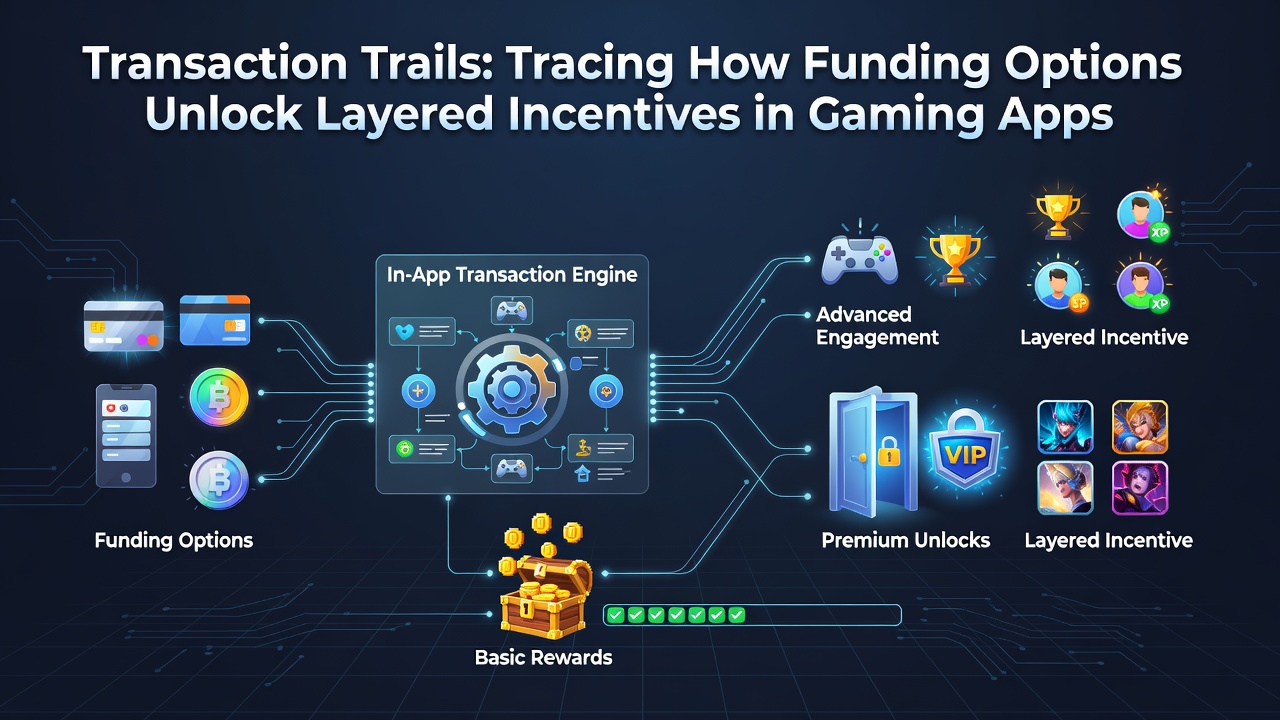
Platform telemetry collected in June 2026 highlights that apps incorporating instant verification APIs reduce the interval between deposit and reward activation from forty-eight hours to under fifteen minutes thereby compressing the overall trail length while preserving each incentive stratum. Observers tracking these patterns report that users alternating between multiple funding sources often accumulate hybrid reward profiles unavailable through single-method persistence.
Regulatory and Technical Influences on Trail Formation
Government agencies outside the United Kingdom have published comparative reports showing that transaction monitoring standards in Australia and Canada require apps to log each payment method separately which in turn creates segmented incentive ledgers rather than unified reward pools. Industry organizations such as the American Gaming Association have compiled datasets indicating that technical integrations with payment gateways directly determine whether layered offers remain visible or hidden behind verification gates.
Academic papers examining behavioral economics in digital environments find that transparent trail mapping encourages continued engagement because players can anticipate the next unlocked tier once a funding threshold is crossed. Data released through university research centers in the European Union demonstrate that apps displaying real-time progress bars tied to payment history experience higher retention metrics compared with those that obscure the underlying mechanics.
Cross-Platform Variations and Emerging Patterns
Comparative studies across iOS and Android ecosystems reveal that in-app purchase systems tied to native billing create shorter yet shallower incentive trails whereas external wallet linkages extend depth at the cost of additional authentication steps. Reports issued by the Australian Communications and Media Authority note that June 2026 updates to digital payment rules prompted several major gaming titles to recalibrate their reward structures around verified transaction histories.
Those monitoring global trends observe that emerging payment rails such as open banking protocols are beginning to merge previously separate incentive layers into unified progress systems that recognize cumulative spend regardless of source. Platform operators who adopt these protocols report streamlined compliance while maintaining the granular reward differentiation that players have come to expect.
Conclusion
Transaction trails continue to evolve as funding technologies advance and regulatory frameworks adapt across regions, and comprehensive mapping of these pathways provides clearer visibility into how each payment decision contributes to layered incentive outcomes. Continued examination of platform data and cross-jurisdictional reports will remain essential for understanding the full scope of reward mechanics within gaming applications.